
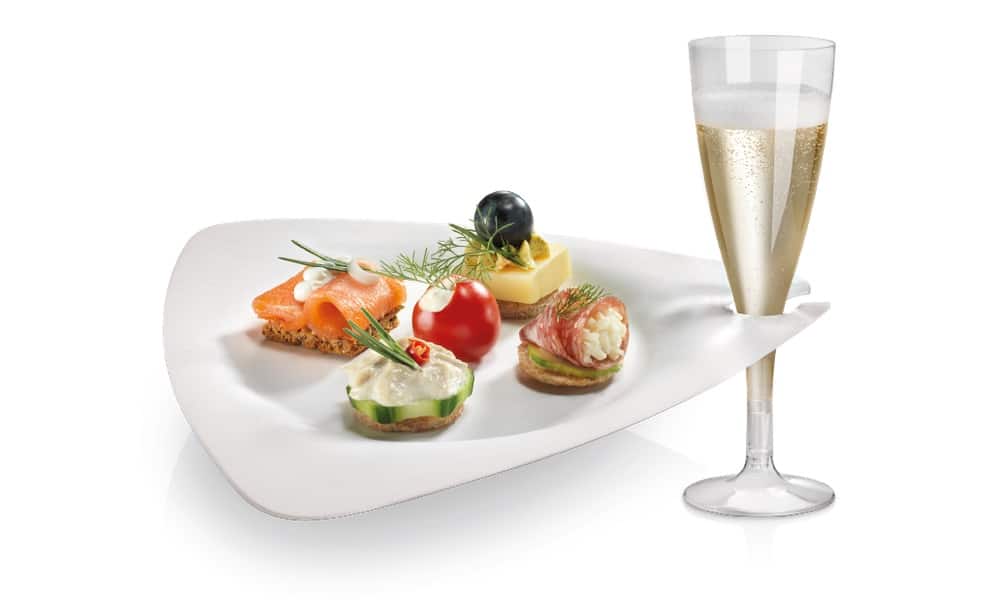
Polylactic acid, or PLA , is a biodegradable material that looks very similar to plastic but is far less harmful to the environment. Crystallised polylactic acid, or CPLA , is a variation that can withstand high temperatures.
On the Todo para tu hotel website you'll find a wide range of single-use tableware and kitchen utensils made from these biodegradable plastics.

PLA and CPLA: material and manufacturing process
PLA is a bio-compostable polymer derived from lactic acid. It is made from plant starches such as corn starch, beet or wheat. The material is produced by mixing the starches extracted from these plants with enzymes and fermenting them with lactic acid microorganisms.
These starches are not fit for human consumption and often come from crop residues, so they don't require extra use of natural resources. The material also degrades very easily within weeks into water and carbon dioxide.
CPLA is a modified form of PLA. Crystallising this originally amorphous material makes it resistant to higher temperatures (up to 85°C). As it comes from PLA, it is a biopolymer and remains biodegradable. The two materials look slightly different: PLA is transparent, while CPLA is off-white.
Products made from polylactic acid
These raw materials are perfect substitutes for plastic, as they have similar properties but are more environmentally friendly.
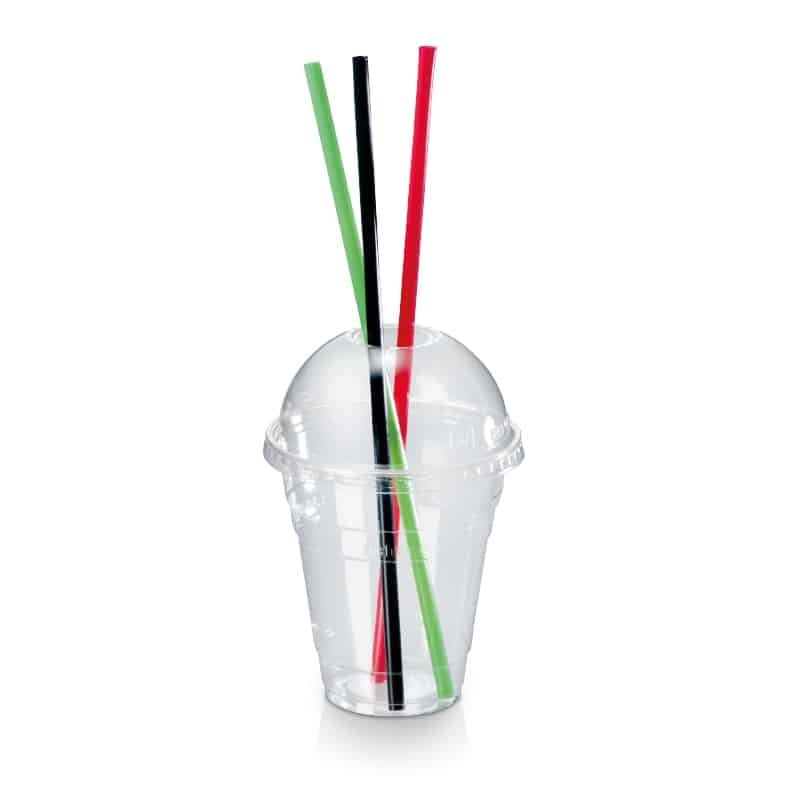 Features
Polylactic acid and crystallised polylactic acid have the same origin but not the same properties.
On the one hand, there's PLA , whose features are:
- It is biodegradable and compostable, so once used, unlike plastic, it should go in the organic waste bin.
- It is ideal for cold food and drinks but is sensitive to heat. It cannot withstand temperatures above 40°C.
- It is transparent and rigid, so it looks very similar to plastic
On the other hand, the features of CPLA are:
- The most important feature of CPLA is that it was designed to withstand higher temperatures than PLA, up to 85°C. However, although it is more heat-resistant than polylactic acid, it cannot be used in ovens or microwaves.
- Unlike PLA, it is not transparent. It is opaque and off-white.
- It is a biodegradable material, just like PLA.
Eco-friendly tableware and hospitality products at Todo para tu Hotel
On our website you'll find a wide range of eco-friendly plastic products, made from PLA or CPLA depending on the properties required, since, as we've seen, the materials have different qualities.
- BIO plastic cups (PLA)
- BIO plastic glasses (PLA)
- BIO plastic lids (PLA or CPLA)
- BIO plastic bowls (PLA)
- BIO plastic tubs (PLA)
- BIO plastic cutlery (CPLA)
Benefits of palm leaf
Plastic is one of the most widely used materials in every aspect of our daily lives, yet in recent years the amount of plastic waste we generate has become unmanageable for the planet.
To improve the planet's situation, we must start reducing the waste we produce by replacing plastic with other eco-friendly materials, such as biodegradable plastic.
PLA and CPLA are completely natural, biodegradable materials that require far less energy to produce than conventional plastics
If you're looking for single-use packaging and utensils for your hospitality or catering business that don't harm the planet, you'll be interested in the Todo para tu hotel website, where you'll find a wide range of eco-friendly products.


