
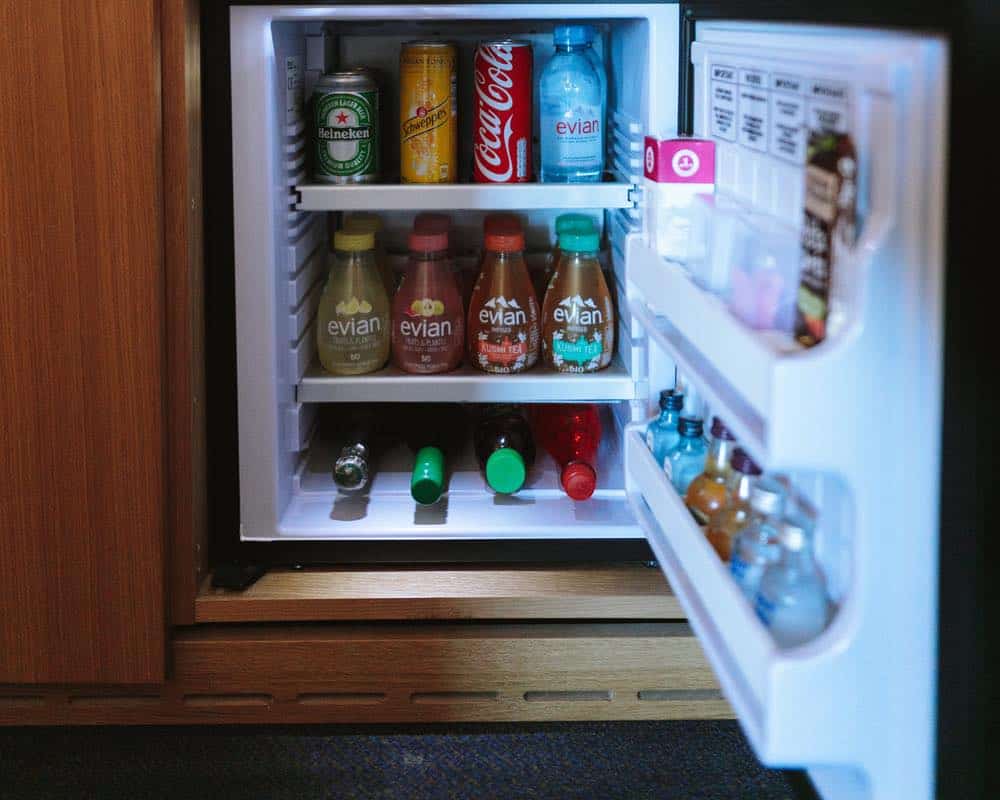
Minibars first appeared in American hotels about 60 years ago. The first hotel to introduce them was the Madison in Washington. The hotel installed minibars in some of its rooms, and they were welcomed as a luxury and an innovation in hotel services. Other hotels later followed suit.
These minibars offered snacks and food, and it wasn't until the Hong Kong Hilton introduced alcoholic drinks that the range expanded. 2 in 5 people say they use them, usually because of the convenience of having them in the room.
This feature, so typical of most hotel rooms, could disappear temporarily.
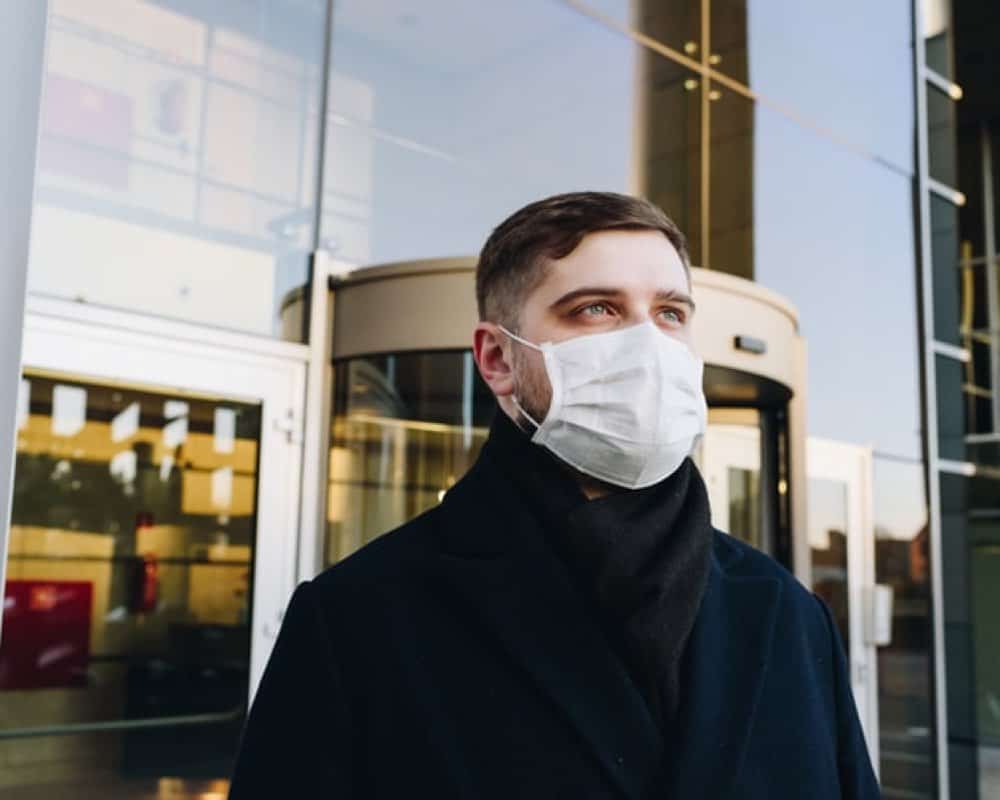
Measures to curb infections
Many of the proposals for a successful reopening of businesses during the easing of restrictions are based on rigorous control of cleaning and safety measures.
That's why several hotels will start temporarily removing minibars from rooms if their cleaning between guests cannot be guaranteed, along with many other measures such as cancelling buffets.
Minibars and technology
Minibars are one way hotels offer the convenience of their products to guests who want them without having to leave the room.
However, some prefer to prevent guests from coming into contact with areas that are occasionally handled (when changing and restocking the minibar) in order to avoid any possible source of infection.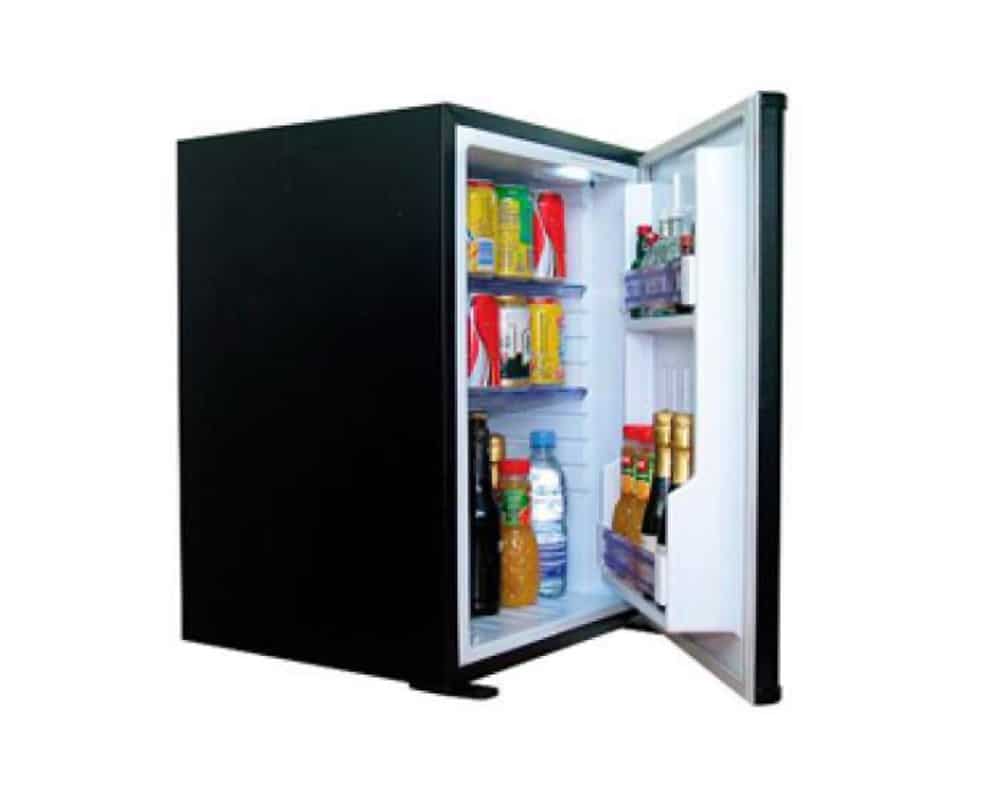
Minibars will still be offered by certain hotel chains
The NH chain will keep its minibars. Through an app, guests will be able to manage their hotel stay, check in, check out and choose their room, as well as select breakfast or the products for their personalised minibar.
According to Álvaro Carrillo, director of the ITH (Hotel Technology Institute), the use of and demand for technology will increase in the hotel sector to offer a safer experience. There will be no need to remove options from the hotel experience, but rather to adapt them properly to the times.
In the end, the decision will be up to each hotel, as it's easier to manage and guarantee cleanliness and hygiene with fewer items to interact with.


