

It's no secret that the hospitality sector has been hit repeatedly over the last 2 years. Because of the pandemic that began in 2020, hotel finances have weakened and any savings will always be welcome.
Those weakened finances have already had to cover investment in components and infrastructure to fight COVID-19 such as electronic locks, screens, hand sanitiser gels, automated check-in systems, etc.
Energy is one of the biggest costs in a hotel , and reducing it requires investing in hotel equipment that lowers our bills.
Tips for saving electricity and gas in hotels
1. Compare electricity and gas tariffs to get a better deal
You may feel you're paying too much on your electricity and gas bills, so we recommend using online electricity and gas comparison tools to find the tariff that best suits your business.
2. Install photovoltaic and solar thermal panels
Install photovoltaic solar panels to reduce your hotel's demand for electricity . There are also solar thermal panels for heating domestic hot water , which have a direct impact on your gas bill.
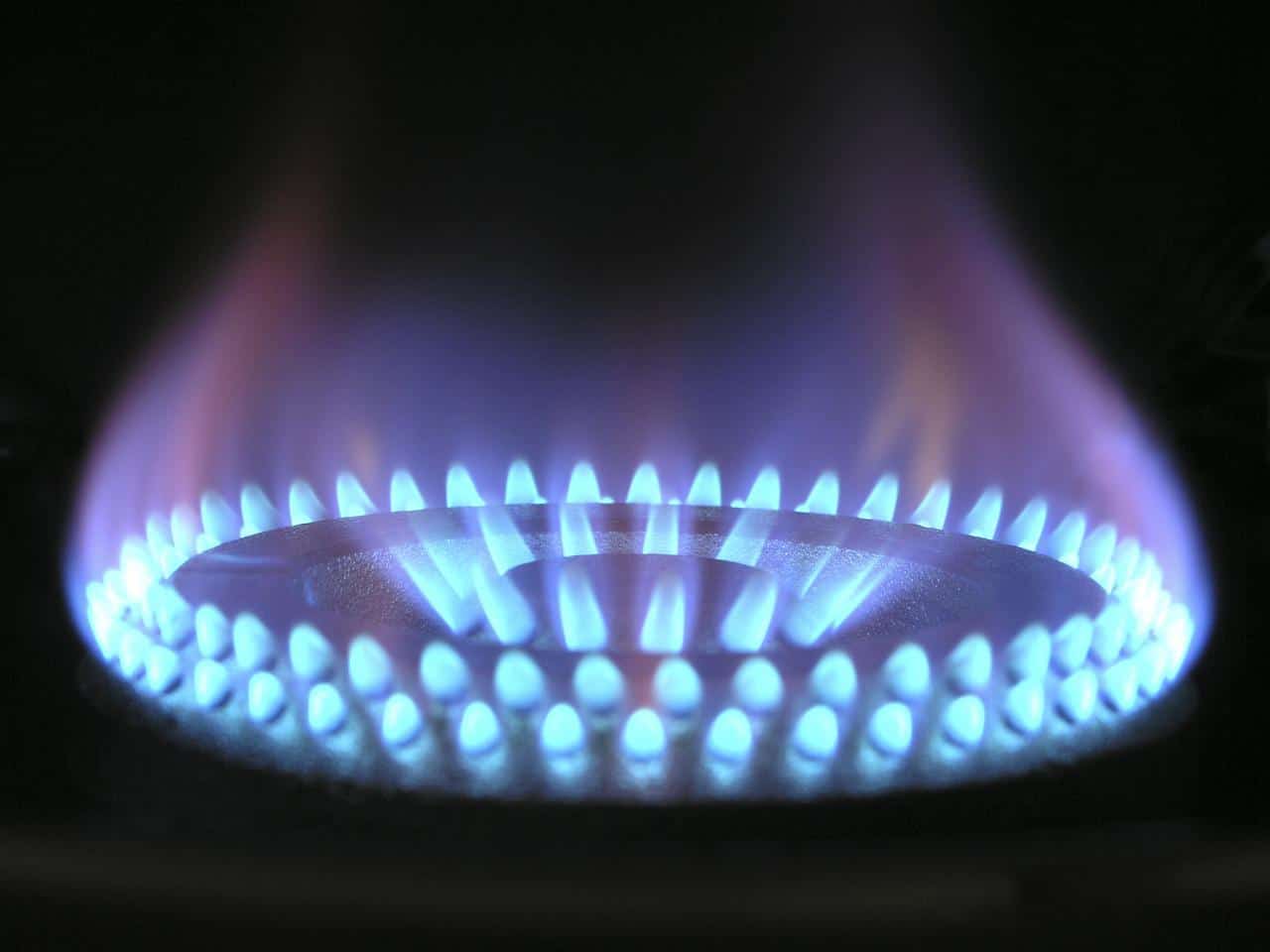
Remember that relations with gas producers are currently turbulent and prices keep rising, heavily penalising hotels' bottom line.
3. Building insulation and climate control
Checking thermal insulation
One thing to check is possible heating or air conditioning losses caused directly by poor thermal insulation in the building.
Climate control and regulation
Good climate control and regulation can reduce energy costs, as the temperature is controlled in each area of the hotel and adapted to guests' needs.
Controlling temperature with smart thermostats ensures a quality stay and optimises energy consumption.
4. Replace conventional bulbs with low-energy LED technology
Lamps and light fittings should always use low-energy bulbs; LED lights are especially recommended because they produce no heat, their output can be adjusted at any time and they offer the best energy optimisation on the market.
5. Lighting control
Different energy-saving measures can be taken in each type of hotel, but the most common in this area are automating lighting and dimming it in rooms, corridors and common areas.
It is also advisable to replace lighting systems with LEDs and use fibre optics, which allow several points to be powered by the same source. Fluorescent lamps with electronic ballasts are also recommended, as they are 25% more efficient than traditional tubes. Likewise, it's a good idea to use presence detectors so that lights are not left on all the time.
6. Controlling water consumption
Control water consumption with flow reduction systems. You should also install timed taps or taps with sensors that detect when someone is in the room.
It's also worth checking for possible leaks in the pipework of the hotel's water system.
7. Upgrading appliances
Another measure is replacing appliances with more efficient models, i.e. ones with the highest possible energy rating. With this upgrade we can save up to 50% of energy consumption.
And you? Do you have any new ideas for cutting energy costs at your hotel? Let us know in the comments!


