

There is a lot of confusion between RFID and NFC technology. Contrary to what you might think, these two technologies are not the same, even though they may share some similarities.
In this post, we'll try to shed some light on the subject and explain both RFID and NFC technology clearly and concisely.
RFID
What is RFID technology?
What does RFID stand for?
Before we begin, let's clarify what RFID stands for. It is an acronym for Radio Frequency Identification.
Most common uses of radio-frequency technology
Radio frequency is a technology that, using devices such as RFID cards, RFID wristbands, etc., together with an RFID reader, makes it possible to identify or remotely read the information contained in the chip embedded in the object by means of a radio signal.
All the elements described above make up what is known as an RFID system. Thanks to its simplicity and ease of use, this technology has spread to many sectors such as food, retail and hospitality.
What is radio-frequency identification technology used for?
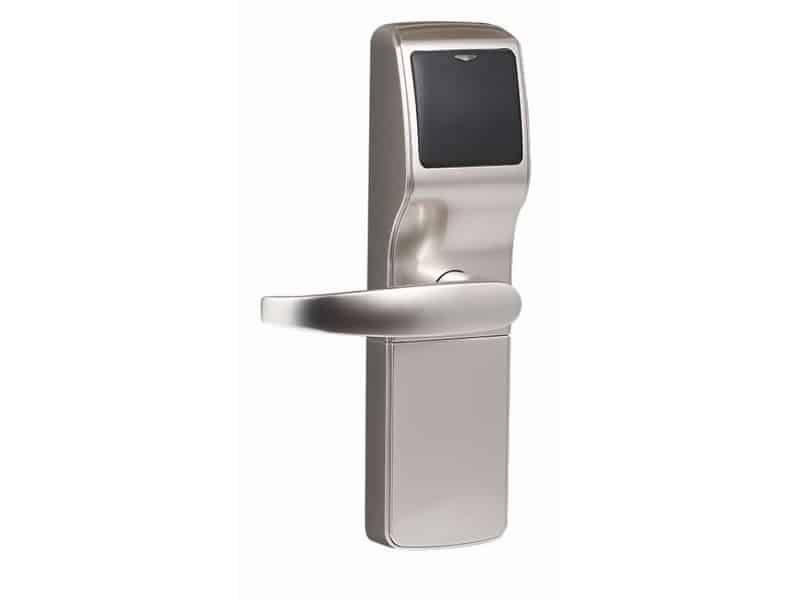
RFID applications in the hospitality sector.
In hospitality, manufacturers such as Onity have designed both the management software and the necessary devices to help hotels get the most out of managing their business and, in turn, improve the user experience.
There are many products already developed that benefit hospitality and improve the experience of our hotel's guests.
- RFID electronic locks for hotel doors
- RFID electronic locks for lockers
- RFID electronic cylinders for hotels and offices
- Safes with RFID technology
NFC
What is NFC technology?
What does NFC stand for?
NFC stands for Near Field Communication. It operates at 13.56 MHz and has a transfer rate of 424 kbit/s
It is a short-range wireless technology derived from RFID that can connect two devices using a transmitter–receiver model; in other words, it sends a signal and can also receive one at the same time.
What is NFC used for?
Let's list the most common uses of NFC. It's worth noting that its capabilities are practically unlimited and that, in some cases, NFC is an evolution of RFID, as with the identification systems used on public transport.
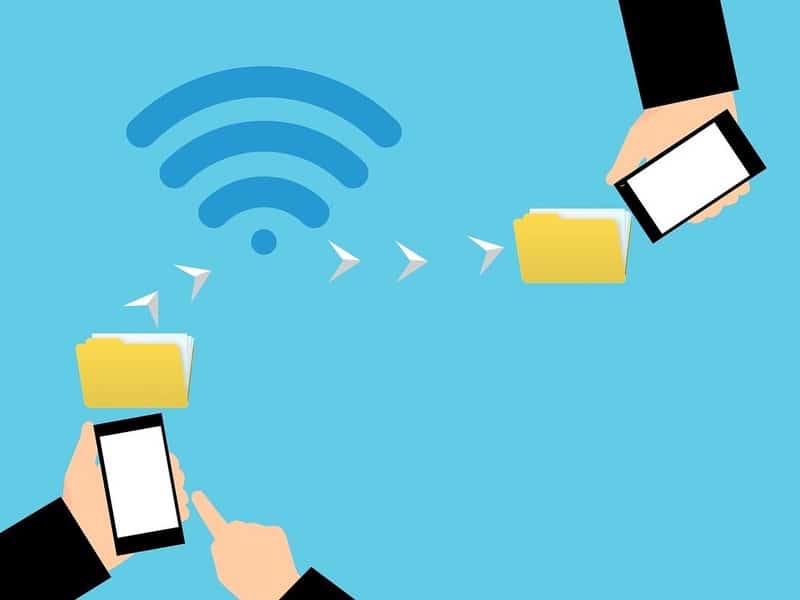
NFC uses
- Read/write -> Peer-to-peer data exchange for transferring data between 2 devices.
- Public transport access -> This type of identification is an evolution of RFID technology.
- Physical car access -> The vehicle unlocks simply by bringing the device close to the door.
If the option is available, you can even set certain parameters in the vehicle, such as the temperature.
- Mobile as a loyalty card-> We can use this technology as a loyalty card. This way we carry a "card" in our pocket that lets us take advantage of offers and promotions at participating establishments.
- Payments-> In the future, mobile phones will replace all payment methods (credit cards, cash...) and let us pay for almost any product imaginable.
Were you familiar with these technologies? Do you have a practical example of RFID or NFC technology that we haven't covered in this post? Tell us in the comments!


