

The Spanish government is taking steps forward (with due caution) aimed at boosting tourism figures and having a direct impact on hotel bookings in our country.
The idea is to reach 2019's economic figures. Although that's difficult, it isn't impossible, and it largely depends on the restrictions the government imposes on tourists who choose us for their holidays.
COVID restrictions in Spain
The end of indoor face masks
Since 20 April 2022, face masks are no longer mandatory indoors.
Their use is now limited to:
- Hospitals
- Residences
- Public transport
In leisure venues such as bars, restaurants and hotels, face masks are NOT mandatory.
Hotels, restaurants and bars equipped and safe against the pandemic
Let's not forget that hotels have safety measures such as electronic locks or smartphone lock opening , which were introduced as safety measures.
All this hotel equipment was installed in the middle of the COVID-19 pandemic , making it hygienic and safe for tourists and users.
Travel by sea, land and air with a face mask
However, face masks are still required for land and air travel.
Spanish airlines enforce this safety measure, whereas other European airlines, such as Norwegian Air and British Airways, have removed the face mask requirement from their safety policy.

New entry requirements for tourism in 2022 at the European Union's internal borders
COVID-19 tests
In line with European rules, Spain changed its tourist entry requirements regarding the validity of COVID-19 tests.
The Health Ministry accepts only negative antigen tests taken within 24 hours before travel.
The document also states that negative NAAT test results taken within 72 hours before travel will also be accepted.
COVID passport
It should be noted that a valid COVID passport is enough to visit the country without other requirements such as tests and quarantine.
Alternatively, a test or recovery certificate can be presented.
This applies to travel across the European Union's internal borders.
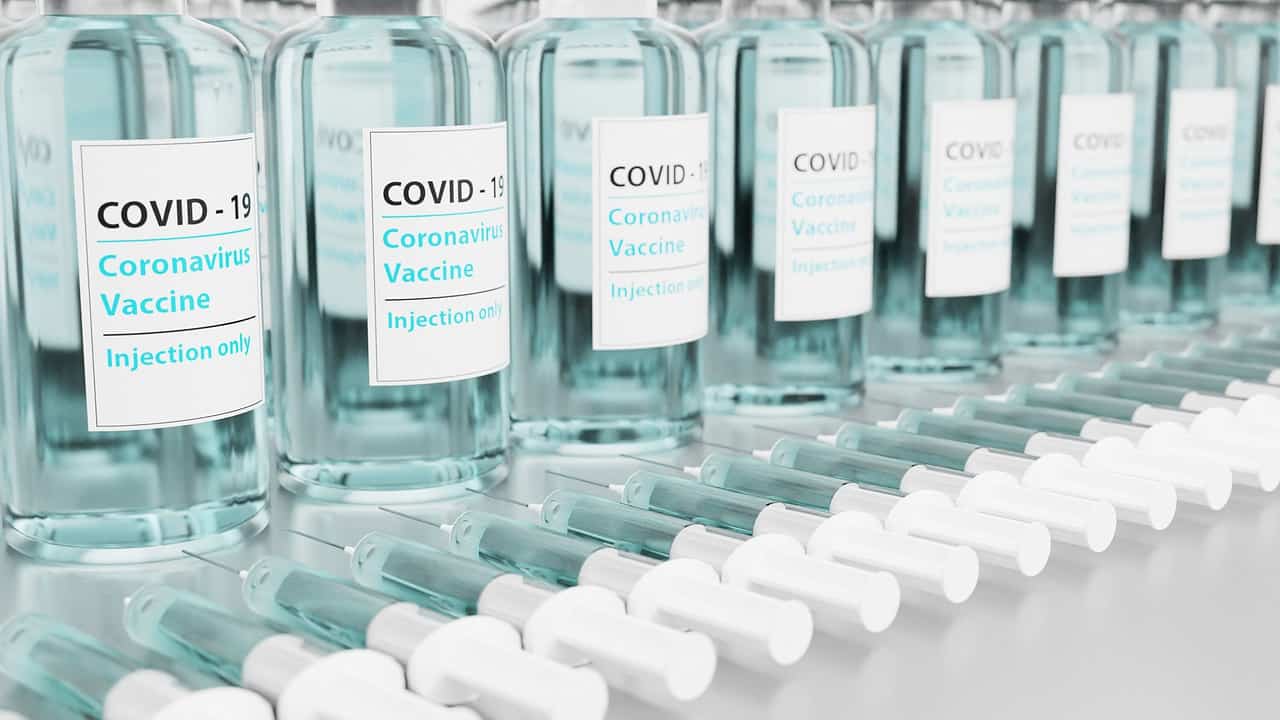
The COVID vaccine allows entry to Spain
Since early June 2021, Spain has allowed travellers from third countries to enter if they completed their full vaccination course at least 14 days and no more than 270 days before arrival.
Vaccination certificates
Since 1 February 2022, Spain has accepted vaccination certificates issued by the competent authorities of the country of origin outside the EU, according to the Ministry of Health website.
A 9-month expiry date was also set for this document after the second vaccine dose. After this period, a booster dose is required for the certificate to remain valid.
Vaccines accepted by Spain for entry
- Pfizer
- Moderna
- AstraZeneca
- Janssen
- Sinopharm
- Sinovac-Coronavac
Unvaccinated children under 12 may travel to Spain without restrictions, provided they are accompanied by an adult immunised with vaccines approved by the EMA or WHO.
Who can enter Spain at the moment?
Currently, Spain's borders are open to anyone in any of the following groups:
- Travellers from third countries who are vaccinated against COVID-19 or have a recovery certificate
- Non-EU citizens from any of the countries on the European Commission's safe list
- Habitual residents of the EU, Schengen associated countries, Andorra, Monaco, the Vatican or San Marino
- Holders of a long-stay visa issued by a Member State or Schengen associated State
- Healthcare professionals
- Transport staff
- Diplomatic staff
- Students studying in Spain or any other EU or Schengen member state
- Highly qualified workers
- People travelling for duly documented family reasons
- People who can document reasons of force majeure
Residents of third countries on the EU safe list, such as Chile, Colombia, Peru and Uruguay, for example.
All these efforts and new rules suggest that tourist occupancy in Spain will be close to 2019 levels.
According to the data, the outlook is very favourable, and real growth is forecast, which is a relief for the hospitality sector after being hit so hard over the previous 2 years.


